UVA Sorensen

I came into the Sorensen Institute’s Emerging Leaders Program with opinions about government and relatively little experience working with it. Coming from industry, I generally favored less government involvement. I had a much clearer sense of what I wanted government to do less of than of how the people inside it approached their work.
Over three sessions in South Boston, Richmond, and Gloucester, I had the chance to learn alongside people whose experiences were very different from mine. They worked in government agencies, legislative offices, political campaigns, businesses, and nonprofits. For many of them, the institutions I usually encountered from the outside were part of their daily lives.
I still generally favor a smaller role for government. I left Sorensen with a much greater appreciation for how much I had to learn about it, and for the people willing to help me understand.
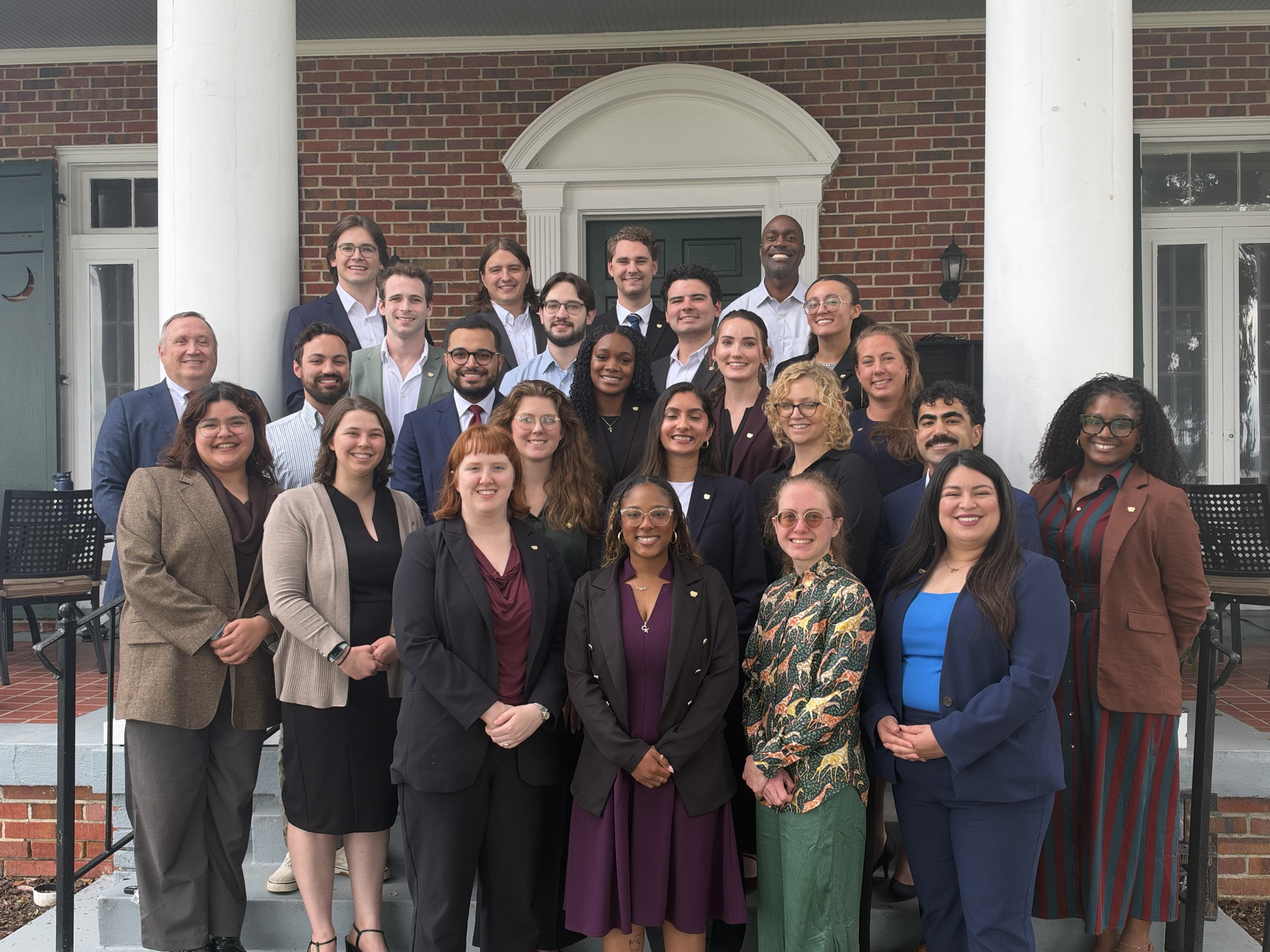
Different experiences in the same room
One of our early lessons was about perspective itself. We all arrive at a conversation carrying our own experiences. Those experiences shape our assumptions and even the connotations we attach to individual words. Two people can hear the same sentence and understand it differently.
That idea stayed with me because I could see its relevance throughout the program. My industry experience influenced how I thought about government oversight. Someone who had spent years working inside an agency could approach that same subject with a different set of experiences and concerns. Understanding that background gave me more to work with than simply knowing whether we agreed.
The range of professional experience was striking. Our cohort included people with backgrounds at Virginia’s Department of the Treasury, Department of Labor and Industry, Department of Medical Assistance Services, and Department of Conservation and Recreation.
There was also experience in passenger rail through the Virginia Passenger Rail Authority, economic development through the Virginia Economic Development Partnership, and environmental policy through the Office of the Secretary of Natural and Historic Resources. These were people I could learn from directly, with professional backgrounds that made the scope of government much more tangible to me.
Arguing about a budget with friends
One of the clearest examples came during our Virginia budget exercise. We faced a disagreement that will sound familiar to anyone who follows politics: should we cut government spending or increase corporate taxes?
I argued for cutting spending. Then I found myself appreciating the context of that argument: I was making it to a group that included friends who worked in government.
My position made sense to me from my own experience. Their working lives gave them a different vantage point on government. That realization made the lesson about perspective feel immediate. I still had a case I wanted to make, but I also had people across the table whose experience deserved my attention.
Before the program, I couldn’t understand how government could fail to agree on a budget. It seemed like something that simply had to get done. Working through our Virginia budget exercise helped me appreciate how much sits behind an agreement: competing priorities, decisions about spending and revenue, and different ideas about what government should do.
I can now see how those disagreements can bring the process to a standstill. To me, that is a process failure. The exercise left me wondering how the process could help people work through disagreements earlier and make the tradeoffs clearer before a deadline.
Discovering the breadth of government
I also learned just how much government there is in Virginia. Apparently, that includes 121 agencies and other public bodies, far more than I would have guessed before the program.
The people I met helped put faces to that complexity. Beyond agencies, our cohort’s experience extended to the Virginia House of Delegates, the Virginia Indigent Defense Commission, and earlier service in the Office of the Secretary of Labor. Classmates also brought experience in the Virginia Senate, Virginia’s U.S. Senate offices, the U.S. Department of Transportation, and local service on Prince William County’s Parks and Recreation Commission.
There were perspectives from outside government, too: conservation work at The Nature Conservancy, government affairs at Two Capitols Consulting and CRD Associates, and community development at the Danville Neighborhood Development Corporation. Together with campaign and industry experience, that variety made the program especially informative for someone with my background.
What I value most about that variety is that these connections became friendships. I now know people I can keep learning from long after our sessions together.
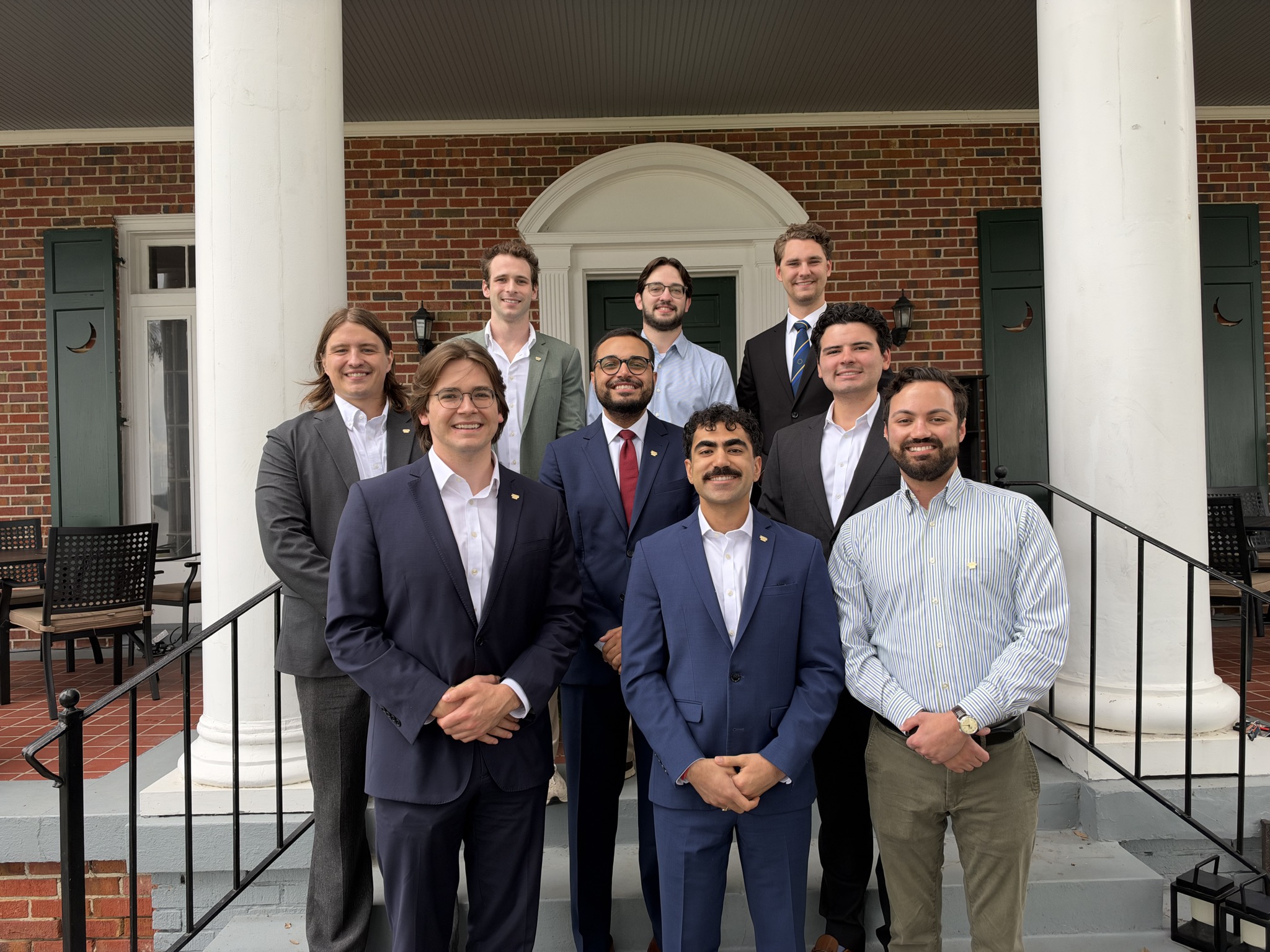
Leadership starts with communication
Another lesson reinforced something I had been learning through Toastmasters: being a good leader often comes down to being a good communicator.
Our leadership workshop brought that connection into focus for me. Explaining an idea clearly matters, especially when you want people to work toward a shared outcome. So does understanding the people receiving it. If their experience gives a word or a proposal a different meaning, I need to account for that when I communicate.
That is a useful challenge to bring back to industry. I can be confident in an idea and still have work to do in helping someone else understand it. I can also learn something by paying closer attention to the questions they ask. Sorensen gave me more opportunities to practice that kind of attention with people whose work was unfamiliar to me.
Seeing Virginia through its places
Traveling across Virginia gave the experience another dimension. South Boston, Richmond, and Gloucester each offered a different setting for learning about the Commonwealth and the people who help shape it.
In South Boston, we learned about the town’s economic history. Its growth around the railroad and tobacco trade helped make it an important commercial center. According to Virginia’s Department of Historic Resources, by the early 1900s it had become the country’s second-largest bright-leaf tobacco market. Learning that history gave me a fuller picture of a region I knew less about.
At Holly Knoll in Gloucester, we encountered a different part of Virginia’s history. The home of educator and civil rights leader Robert Russa Moton became a gathering place for discussion and ideas. We also heard the local story connecting the site to Martin Luther King Jr.’s “I Have a Dream” speech. Gloucester’s Civil Rights Trail describes the speech-writing association as a rumor; it remains a local tradition rather than an established account of where the speech was written. The visit was an opportunity to learn about the site’s place in the history of civic leadership.
Making friends along the way
Some of what I will remember most is simply spending time with the people in the program. There was room for friendship alongside the workshops and policy discussions, including a little fishing.
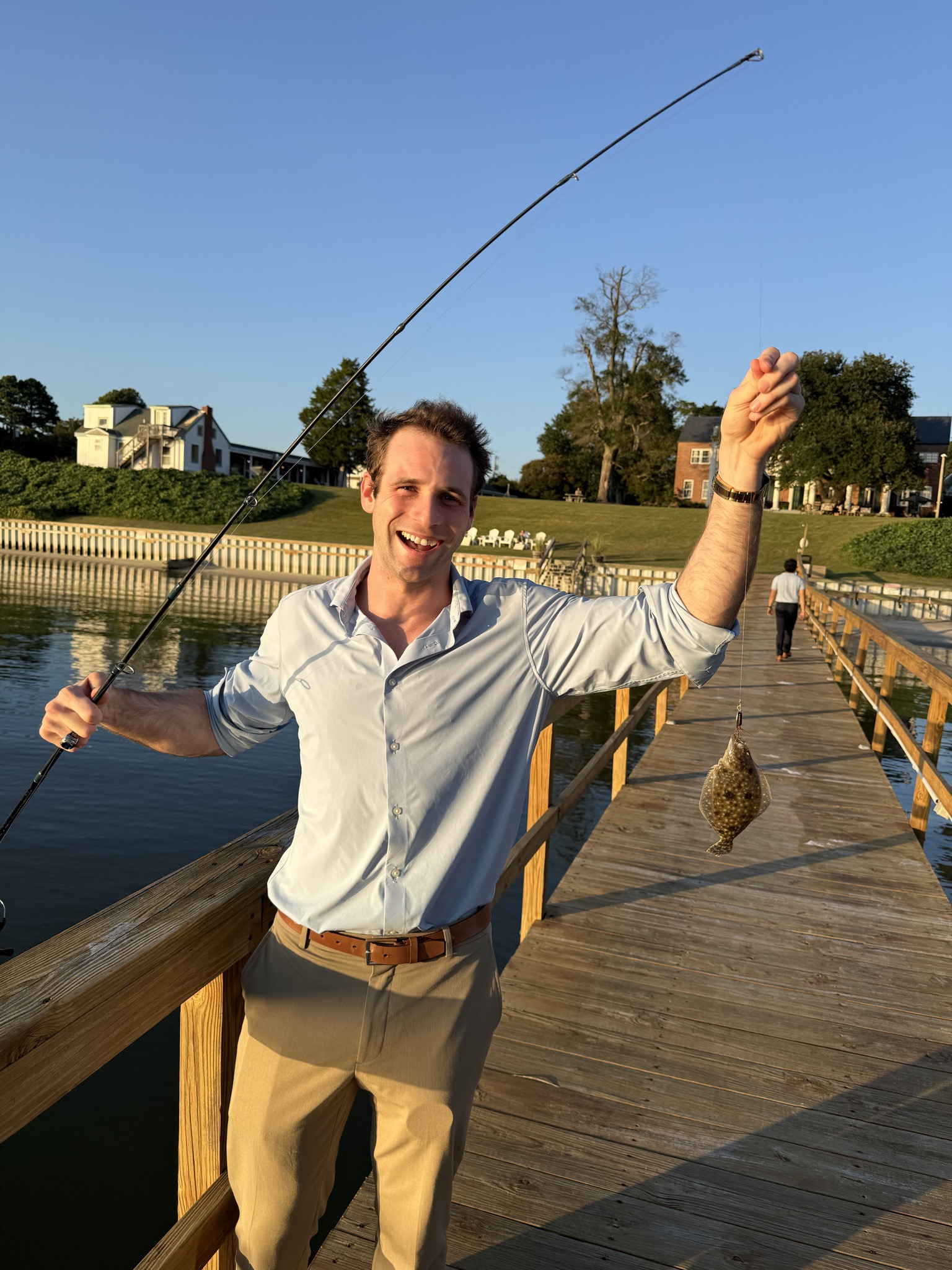
I am grateful for the people I met, the insights they shared, and the perspectives they brought. Those relationships are a big part of what I hope to carry forward. I look forward to getting to know more people throughout the Sorensen network and helping strengthen the relationship between industry and local government.
If you are considering the program, especially if most of your experience has been outside government, I encourage you to learn more about Sorensen’s Emerging Leaders Program. I arrived with opinions and a limited view of the work behind them. I left with more context, more questions, and friends whose experience will keep expanding my understanding.